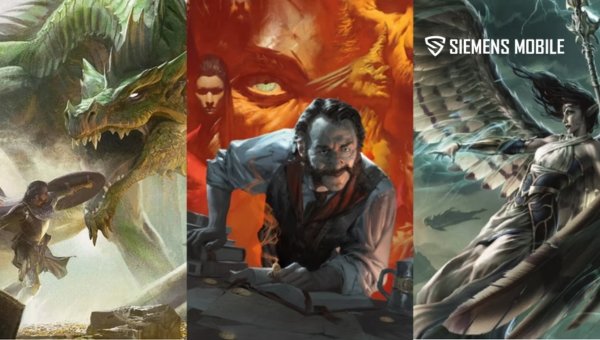
The flickering torchlight catches the glint of steel on a warrior you've never quite imagined before, their backstory intricately woven into the very fabric of your world, their visual design breathtakingly consistent across every key moment. This isn't just a dream; it's the new reality of tabletop roleplaying. The revolution of AI-generated Dungeons & Dragons (D&D) characters is here, fundamentally transforming how we approach Integrating Generated 5e Characters into Your Campaigns. Forget bland NPCs or player characters that struggle to find their place; AI tools are turning campaign preparation into a creative explosion, allowing DMs and players alike to craft deeply integrated, story-rich personas with unprecedented ease.
Imagine creating a visually consistent, lore-rich character—complete with backstory, stats, and stunning visual design—in mere seconds. This isn't about replacing imagination; it's about amplifying it, providing a powerful springboard for creativity that makes every character, whether player-controlled or a Dungeon Master's creation, a vital part of the overarching narrative.
At a Glance: Crafting Deeper Campaigns with AI Characters
- Unlock Instant Creativity: Generate diverse character concepts and visual designs in minutes, bypassing creative blocks.
- Boost Visual Consistency: Ensure all characters, from player heroes to minor NPCs, look cohesive with your campaign's aesthetic.
- Deepen Lore Integration: Automatically weave backstories and traits into your campaign's existing lore and D&D's SRD.
- Streamline DM Prep: Build vast NPC libraries, design custom magic items, and create visual aids like battle maps effortlessly.
- Empower Player Agency: Guide character evolution and integration collaboratively, ensuring player choices remain paramount.
- Ethical & Balanced Design: Utilize tools with built-in rulesets for stat allocation and bias correction protocols.
- Beyond Generation: Leverage AI for multi-scene character visuals, custom lore training, and community-driven content sharing.
The New Frontier of Character Creation: AI's Storytelling Muscle
The year 2025 marks a turning point for tabletop roleplaying. AI-generated Dungeons & Dragons (D&D) characters are no longer a futuristic concept but a tangible reality, revolutionizing how we interact with our favorite TTRPGs. Tools like Reelmind.ai exemplify this shift, offering an experience that marries advanced technology with the timeless art of storytelling. They don't just spit out numbers; they craft narrative hooks, forge visual identities, and streamline the often time-consuming process of character development.
At its core, this technology enhances storytelling by providing a foundation of detailed, consistent characters. For DMs, it means less time spent meticulously designing every minor NPC and more time focusing on plot. For players, it means rapid iteration on character concepts, quickly finding that perfect hero or anti-hero to embody. Reelmind.ai, in particular, showcases the next generation of these tools, focusing on several key pillars:
- Visual Consistency: Ever struggled to keep your characters looking the same across different scenes, or to maintain a consistent art style for all your NPCs? Reelmind.ai generates character keyframes across multiple scenes, ensuring your rogue looks like your rogue whether they're stealing a relic in a shadowy alley or fleeing across rooftops.
- Style Customization: Campaigns have themes—dark fantasy, swashbuckling pirate adventure, gritty steampunk. These tools allow you to customize the visual style to match your specific campaign's aesthetic.
- Lore Integration: Forget generic backstories. AI generators pull from D&D’s System Reference Document (SRD) and can integrate your unique homebrew lore, connecting traits to backgrounds via sophisticated natural language processing (NLP) models. This ensures characters aren't just placed in your world, but feel like they belong.
- Balanced Design: Maintaining game balance is paramount. These tools adhere to D&D 5e rulesets for stat allocation, whether using point-buy systems or simulated dice rolls, ensuring characters are ready for play right out of the gate.
The practical upshot is a world where character generation isn't a chore but an accelerant, driving creativity and deepening immersion for everyone at the table.
Beyond the Stat Block: What AI-Generated Characters Bring to Your Table
The true power of AI character generation extends far beyond simply producing a character sheet. It's about empowering both players and Dungeon Masters to focus on the elements that truly make D&D shine: collaborative storytelling and immersive roleplaying.
For Players: Instant Inspiration, Visual Storytelling
Ever sat down for a Session Zero, staring at a blank character sheet, feeling that creative well run dry? AI changes that.
- Instant Character Concepts: Need ten wizard designs in minutes? Done. The sheer speed allows players to explore multiple character archetypes, races, and classes without commitment, quickly finding a concept that truly resonates. This rapid prototyping can break through creative blocks and spark unforeseen ideas.
- Visual Backstories: Textual backstories are great, but imagine turning that narrative into a comic-style sequence or a series of keyframes that visually depict your character's past. This adds an immediate, tangible layer of immersion, helping players visualize their character's journey and DMs understand their visual presence.
For Dungeon Masters: A Universe of NPCs, Ready-Made Visuals
The DM workload is legendary. AI character generators are a game-changer for preparation, allowing DMs to populate their worlds with depth and visual flair.
- Vast NPC Libraries: Generate entire towns or villainous factions with consistent art styles. No more frantically searching for character art or sketching stick figures. You can have a fully realized cast of characters for every encounter, from the tavern keeper to the shadowy guild master.
- Consistent Art for Your World: Maintain a unified aesthetic across all your game materials. If your campaign has a specific mood, AI can generate characters that embody that style, lending a professional and immersive feel to your sessions.
- Scene Illustrations & Visual Aids: Beyond individual characters, these tools can create battle maps and cutscenes, turning text descriptions into vivid visual experiences. Imagine custom art for a pivotal NPC's monologue or a detailed view of a dungeon room's traps.
- Monetizing Your Creativity: Reelmind's "Model Marketplace" allows DMs (and players) to monetize their D&D content. If you train an AI model on custom lore or create unique character designs, you can share them and earn credits, fostering a vibrant community economy around TTRPG content creation.
The Unseen Benefits: Seamless Integration by Design
Beneath the surface of stunning visuals and instant backstories, AI character generators provide intrinsic benefits that foster deeper integration:
- Inherent Balance: By adhering to D&D 5e rulesets for stat allocation, AI-generated characters come ready-to-play without needing extensive balancing tweaks. This frees up both players and DMs to focus on roleplaying.
- Pre-Vetted Lore: For DMs, this means NPCs generated will automatically pull from the D&D SRD, ensuring a baseline of familiarity and consistency with established lore. For players, it means a rich, connected backstory that isn't just a random assortment of traits.
- Visual Storytelling Consistency: One of the hardest parts of a long campaign is maintaining the "look" of characters. AI, with its multi-scene generation capabilities, ensures that a character's appearance evolves (or stays consistent) in a way that makes narrative sense, adding a cinematic quality to your game.
Ethical Compass: Navigating AI's Role in Creativity
Any powerful new technology comes with considerations, and AI in TTRPGs is no different. The discussion around originality and bias is important, but these tools are designed to serve as a springboard, not a replacement for human creativity.
- Originality vs. Inspiration: While AI can generate novel combinations, the true magic happens when human creativity steps in. Hybrid tools, common with AI generators, allow users to edit and refine AI outputs, adding their unique flair and ensuring the final character is truly theirs. Think of it as a highly skilled apprentice providing excellent first drafts, which you, the master artisan, then perfect.
- Addressing Bias: Early AI models sometimes reflected biases present in their training data. Reelmind's 2025 update specifically introduced bias-correction protocols, ensuring that generated characters represent a diverse and inclusive range of appearances and backgrounds. This commitment to equitable representation is crucial for fostering welcoming gaming environments.
The key takeaway is clear: AI should be viewed as an enhancer—a sophisticated assistant that offloads repetitive tasks and sparks new ideas, allowing players and DMs to pour their creative energy into the most meaningful aspects of their campaigns.
Mastering Integration: The Two-Way Street of Character & Campaign
Integrating characters effectively into a D&D campaign is where the real magic happens, maximizing game fun and making every session more meaningful. It's a collaborative dance: Dungeon Masters bend the world around the characters, and players mold their characters around campaign themes, histories, and NPCs. With AI-generated characters, this process becomes even more fluid and dynamic.
Here are five proven strategies to seamlessly weave generated characters into the rich tapestry of your campaign:
Forge Bonds: Relating Characters to Key NPCs
One of the quickest ways to make a character feel integral to a campaign is by giving them pre-existing relationships with important non-player characters. AI-generated backstories, often rich with details, provide fertile ground for these connections.
- Mine the Backstory: Look for hooks in the AI-generated character's history. Was their family displaced? Did they serve in a war? Were they part of a specific guild? These details can be directly tied to existing or newly created NPCs.
- Old War Buddies & Childhood Friends: Perhaps the gruff captain of the city guard was once a comrade-in-arms with the generated fighter. The quirky alchemist might have been a childhood friend or rival of the generated wizard. These connections create immediate narrative tension, loyalty, or even animosity.
- Familial Ties: A generated rogue might have a cousin who runs a reputable (or disreputable) business in the next town, or a long-lost aunt who holds a vital clue. These personal stakes elevate any side quest or main plot point involving these NPCs.
- Beyond Surface-Level: Don't just make them "acquaintances." Craft meaningful relationships. Did the NPC save the character's life? Does the character owe the NPC a favor? These deep ties provide motivation and make the world feel lived-in. For DMs, using AI to generate these supporting NPCs with consistent visuals makes this process incredibly efficient.
Equip with Purpose: Building Meaningful Magic Items
Magic items are often seen as loot, but they can be powerful storytelling devices, especially when tailored to a character's desires and backstory. AI-generated characters, with their detailed histories and suggested traits, offer a fantastic starting point.
- Connect to Aspirations: What does the generated character truly desire? Is it power, knowledge, revenge, or redemption? A magic item doesn't just grant a mechanical bonus; it should reflect these core motivations. A generated paladin seeking to atone for a past failure might find a holy symbol that only grants its full power when wielded in an act of selfless sacrifice.
- Reflect History: An item can be a relic of the character's past or a piece of their lineage. Perhaps the generated sorcerer's draconic ancestry manifests in a staff crafted from a dragon's tooth, hinting at their heritage. Or a fighter's family sword, long thought lost, reappears with newly awakened magical properties.
- Collaborate with the Player: This isn't just the DM's job. Work closely with the player, using the AI-generated backstory as a collaborative blueprint. Ask them: "What kind of item would truly resonate with your character's journey?" This strengthens the player-character bond and makes the item feel earned and significant. The visual consistency of AI tools can even help you create evocative images of these bespoke items.
Unearth Secrets: Exposing Character History in Lore
Every character has a history, and in D&D, history is often buried in forgotten ruins, ancient texts, or whispered legends. Integrating AI-generated characters means using their past as a direct source of adventure.
- Personalized Dungeon Delves: Instead of a generic dungeon, imagine one filled with clues directly related to a generated paladin's ancient order or an occultist's mysterious lineage. A crumbling fresco might depict a forgotten ritual from their family's past; a diary might reveal secrets about their long-lost mentor.
- Echoes of the Past: Embed fragments of a character's AI-generated backstory into the wider campaign lore. Perhaps a seemingly random cult is actually an offshoot of an organization the character once encountered. Or the villain's motives are subtly connected to an event from the character's past that they barely remember.
- "Easter Eggs" for Players: These revelations shouldn't always be plot-critical, but rather rewarding "Easter eggs" that make the player feel their character is deeply enmeshed in the world. Learning about a minor historical figure mentioned in their backstory can be incredibly satisfying.
- AI for Lore Generation: Remember Reelmind.ai's ability to train on custom lore? This is invaluable here. DMs can feed their homebrew world details into the AI, ensuring generated characters produce backstories that naturally weave into existing secrets and histories, creating organic plot hooks.
Embrace Evolution: Guiding Character Change and Growth
Characters are not static. The most compelling stories see heroes change, adapt, and grow. Integrating generated characters means fostering this evolution as a central campaign theme.
- Player Agency is Key: Crucially, any significant character change must be a player's choice. As DMs, we present opportunities, moral dilemmas, and narrative arcs that invite change, but the player retains ultimate agency over their character's transformation. AI tools can suggest paths, but the player always steers the ship.
- Narrative Milestones: The campaign itself offers moments for profound change. A generated character might face a moral quandary that leads them to reconsider their alignment, or a traumatic event might push them towards a new class or subclass.
- Transformative Events: Examples abound:
- Becoming a Vampyr: A character bitten by a powerful vampire might be presented with the choice to embrace the curse, fight it, or seek a cure. The AI-generated character's initial disposition would heavily influence this decision.
- Realizing Divine Nature: A seemingly ordinary generated commoner might discover a latent divine spark or an unknown celestial lineage, forever altering their self-perception and destiny.
- Physical Evolution: Exposure to ancient magic, a curse, or even a blessing could lead to physical changes, granting new abilities but also new challenges.
- Collaborative Storytelling: This requires ongoing dialogue between DM and player. The AI-generated character provides a strong starting point, but its growth is a shared journey.
Seamless Start: Building Characters Around the Campaign
The most direct and powerful form of integration involves providing players with campaign information before character creation, allowing them to build characters that directly relate to the overarching narrative. This is where the DM truly "bends the world" to meet the characters.
- Campaign One-Sheets: Before Session Zero, provide players with a concise one-sheet detailing the main story hook, key antagonists, major factions, significant locations, and important NPCs. This gives players a canvas to draw on.
- Targeted Character Creation: With this context, players can use their AI character generators to craft heroes who have existing ties to the campaign's themes.
- Is the campaign about overthrowing a corrupt empire? A generated character might be a former soldier disillusioned by its cruelty, or a spy from a rebellious faction.
- Is it a treasure hunt for a powerful artifact? A generated character might be a scholar who has extensively researched the artifact, or a guardian from the lineage sworn to protect it.
- Session Zero Collaboration: Use Session Zero to discuss these connections. How does the generated character's backstory intersect with the campaign's lore? What personal goals might align with the campaign's objectives? This front-loads the integration, making characters feel like they belong from the very first session.
- AI as a Bridge: AI character generators can quickly iterate on concepts based on these campaign parameters, offering players options that are pre-aligned with the story, reducing the mental load and accelerating the integration process.
Integrating characters, whether generated by AI or entirely by hand, is a cornerstone of immersive D&D. It transforms players from mere adventurers into protagonists whose personal stories are inseparable from the world they inhabit.
Reelmind.ai in Action: Unique Features for Deeper Integration
Beyond the core functionalities, tools like Reelmind.ai offer specific features that push the boundaries of character integration and creative freedom. These aren't just quality-of-life improvements; they open up entirely new ways to interact with your campaign.
- Model Training: Your World, Your Lore: This is perhaps one of the most exciting features for DMs running homebrew campaigns. Users can train the AI on their custom lore – unique races, pantheons, historical events, or magical systems. Once trained, the AI can generate characters and backstories that adhere strictly to your world's rules and history. Imagine generating an entire city's worth of NPCs, all of whom have names, cultural traits, and personal histories that fit seamlessly into your custom setting. Even better, you can share these trained models with your players, allowing them to generate characters that are perfectly attuned to your campaign from day one.
- Multi-Scene Generation: Visualizing Key Moments: Storytelling is dynamic. Characters don't just exist in a single static image. Reelmind's ability to create "key moments" for characters is revolutionary. Instead of just one portrait, you can generate a series of images depicting a character's journey:
- A rogue stealing a relic from a heavily guarded vault.
- That same rogue fleeing across misty rooftops, evading pursuit.
- Later, the rogue, triumphant (or defeated), sharing a drink in a shadowy tavern.
This feature not only aids in visual storytelling during a game but also helps players visualize their character's evolving presence and role within the narrative. - Community Hub: Share, Discover, Earn: Creativity thrives in community. Reelmind's Community Hub allows users to publish their generated characters, custom lore models, and visual "key moments" videos. This fosters a vibrant ecosystem where DMs can discover new character concepts for their campaigns, players can find inspiration, and content creators can earn credits for popular designs. It's a marketplace of imagination, democratizing access to high-quality character assets.
These unique features underscore the philosophy behind these advanced AI tools: they are designed to be flexible, customizable, and deeply integrated into the creative workflow of D&D, rather than simply being a static generator.
Common Hurdles & How to Clear Them
As with any new technology, there are common questions and potential pitfalls. Let's address them head-on.
"Will AI replace my creativity or make my campaign less original?"
Absolutely not. Think of AI as an incredibly efficient assistant or a potent brainstorming partner. It can provide a starting point, handle tedious tasks, and spark ideas you might not have considered. Your unique vision, your specific story, and your player interactions are what make a campaign truly original. AI gives you more time and mental energy to focus on those human elements. It's a springboard, not a replacement.
"How do I ensure the AI-generated characters are balanced and fit D&D 5e rules?"
Reputable AI character generators, like Reelmind, are built with D&D 5e rulesets in mind. They incorporate mechanisms for stat allocation (e.g., adhering to point-buy rules or simulating rolls), ensuring that the generated characters are mechanically sound and balanced for play. Always review the generated stat block, but the intention is to provide a game-ready character.
"What if I don't like an aspect of the generated character?"
This is where hybrid tools and human editing come in. The AI provides a foundation, but you are always the final editor. If a backstory element doesn't quite fit, change it. If a visual detail isn't quite right, adjust it. Most advanced generators allow for refinement and modification, giving you ultimate control over the final product. It's a collaborative process between you and the AI.
"What about ethical concerns like bias or intellectual property?"
Leading AI tools are actively addressing these. Reelmind's 2025 update, for example, introduced bias-correction protocols to ensure diverse and equitable character representation. Regarding intellectual property, AI often generates based on existing SRD content and user-trained models (for custom lore). Always be mindful of how you use generated content, and remember that tools like Reelmind are designed to be used within the framework of D&D's OGL (Open Game License) and community sharing guidelines.
Your Next Adventure: Actionable Steps for Integrating AI Characters
The future of D&D is here, and it's vibrant, visually stunning, and deeply integrated. Integrating AI-generated 5e characters into your campaigns isn't just about efficiency; it's about unlocking new layers of storytelling potential and making your world feel more alive than ever before.
Here’s how you can take the first step:
- Experiment: Start by playing around with an Our 5e character generator. Generate a few concepts for fun, for NPCs, or even for potential player characters. See what sparks your imagination.
- For DMs: Build an NPC Library: Choose a specific town or faction in your campaign and commit to generating all its key NPCs using an AI tool. Focus on visual consistency and unique backstories that offer potential hooks.
- For Players: Explore Character Concepts: Before your next campaign, use AI to generate 3-5 different character ideas. See how their backstories and visual designs inspire new ways to roleplay.
- Collaborate: During your next Session Zero, explicitly discuss integrating character backgrounds into the campaign. If players used AI, delve into those generated backstories for plot hooks.
- Train Your Own Lore (If Applicable): If your chosen AI tool allows it, start training a model on a small piece of your homebrew world's lore. See how it influences character generation and generates specific, resonant details.
Embrace these tools as powerful allies in your quest to tell unforgettable stories. The table is set, the characters are ready, and your most epic campaign yet awaits.