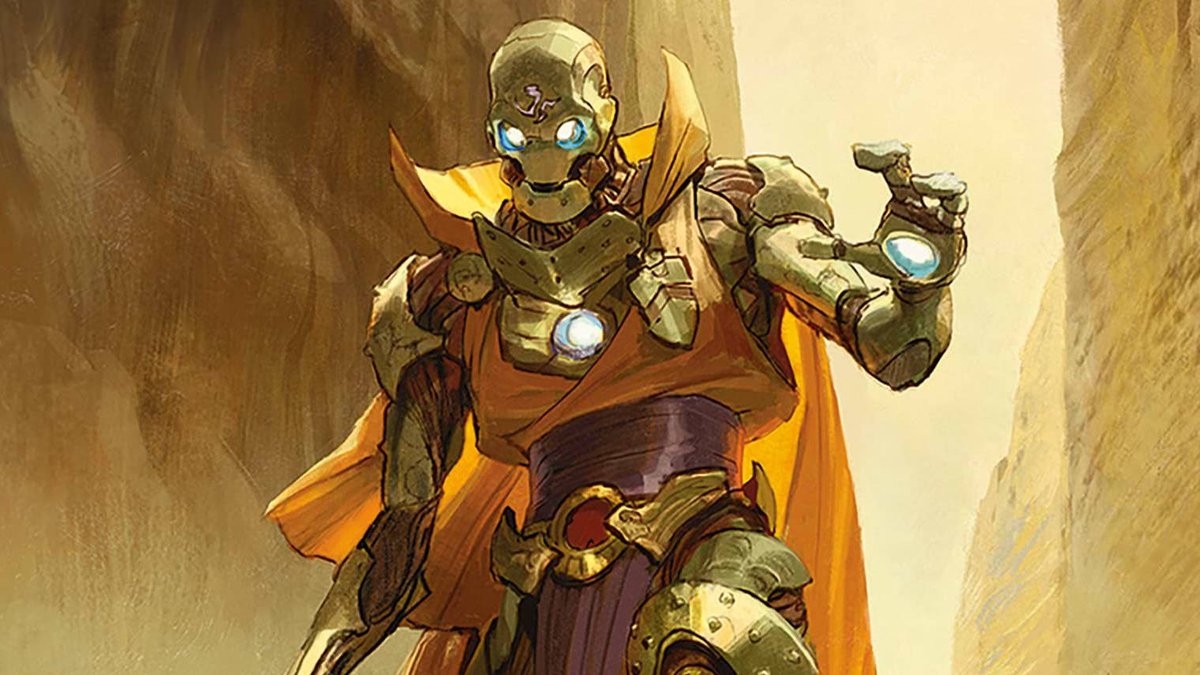
Ever envisioned a D&D character who effortlessly embodies their concept – a frontline warrior who never misses, a spellcaster whose magic turns the tide, or a rogue who always seems to have the perfect solution? Building such a character, one that feels powerful, effective, and fun, is the art of optimization. And in the complex world of D&D 5th Edition, 5e character generators aren't just for beginners; they're indispensable tools for seasoned players looking to truly optimize character builds.
Forget the days of flipping through a dozen books, cross-referencing rules, and calculating modifiers by hand. With the right strategy and a smart generator, you can craft characters that shine in combat, roleplaying, and exploration, turning your wildest D&D dreams into tabletop reality.
At a Glance: Your Guide to Smarter Character Optimization
- Optimization is About Synergy: It's not just about "min-maxing" one stat; it's about making all your character's choices (race, class, feats, background) work together to achieve a specific, powerful concept.
- Generators Supercharge the Process: They handle the tedious math, cross-referencing, and rules enforcement, freeing you to focus on creative choices and powerful synergies.
- The Core Pillars are Key: Class, Race, Background, Feats, and Ability Scores are your primary levers for optimization. Understand how each impacts the others.
- D&D 2024 (One D&D) Brings New Layers: Keep an eye on updates like new feat categories, expanded background features, and Weapon Mastery for martial classes, as they open fresh avenues for powerful builds.
- Define Your Vision First: Before you touch a generator, have a clear idea of what you want your character to do and be. This guides all your optimization choices.
- Iterate and Experiment: Generators make it easy to try different combinations. Don't settle for the first build you create; explore variations.
- Context Matters: An "optimized" character is only as good as their fit within the specific campaign and party. Communicate with your DM and fellow players.
The Lure of the Perfect Build: Why Optimization Matters
Playing Dungeons & Dragons is fundamentally about shared storytelling and adventure. For many, a significant part of that enjoyment comes from creating a character that feels competent and impactful within the narrative. An optimized character isn't just about dealing the most damage; it's about reliably executing your character's intended role, whether that's protecting allies, solving mysteries, charming nobles, or unleashing devastating spells.
When your character's abilities consistently align with your vision for them, it enhances your engagement, allows you to contribute meaningfully to the party, and ultimately makes the game more satisfying. Conversely, a character built haphazardly might feel ineffective, frustrating both you and your fellow adventurers. Optimizing isn't about "breaking the game"; it's about mastering its mechanics to create the most potent version of your character concept.
Understanding Optimization: More Than Just "Min-Maxing"
The term "optimization" often gets a bad rap, frequently conflated with "min-maxing" – the perceived act of stripping away all flavor and roleplaying potential for raw mechanical power. Let's set the record straight.
True optimization in D&D 5e is about synergy. It’s about making sure your character's race, class, subclass, background, ability scores, and feats don't just exist in parallel, but actively enhance one another. It’s about identifying a concept – say, a charismatic leader who can also hold their own in a fight – and then selecting options that reinforce both aspects, rather than pulling in different directions.
For example, a "tanky Paladin" isn't just about high AC. It's about combining heavy armor proficiency, defensive spells like Shield of Faith, a high Constitution score for hit points, and perhaps a feat like Sentinel to control the battlefield. Each element supports the core goal.
The beauty of 5e is its flexibility. You can optimize for combat prowess, social interactions, exploration, utility, or a blend of all three, all while maintaining a rich character identity. It’s about making deliberate choices, informed by the rules, to create a character that feels powerful and cohesive.
The Core Pillars of a Powerful 5e Character Build
To build a truly optimized character, you need to understand the fundamental components that make them tick. Generators excel at bringing these elements together, but your understanding is what drives the intelligent choices.
Classes & Subclasses: The Foundation of Your Power
This is arguably the most impactful choice you'll make. Your class determines your primary discipline, your core abilities, proficiencies, saving throws, and how you generally interact with the world.
- Fighter, Barbarian, Monk: Masters of martial combat.
- Rogue, Ranger: Skilful adventurers, often with stealth or nature expertise.
- Paladin, Cleric, Druid: Divine or nature-attuned spellcasters and protectors.
- Bard, Sorcerer, Warlock, Wizard: Arcane spellcasters, each with a unique flavor and spellcasting method.
Your subclass, chosen typically at level 1, 2, or 3 depending on the class, then refines this foundation. A Battle Master Fighter (from [PHB 2014] or [PHB 2024]) plays very differently from an Eldritch Knight, despite both being Fighters. Similarly, a Life Domain Cleric will focus on healing, while a War Domain Cleric is ready for the front lines. Optimization here means choosing a class and subclass that powerfully reinforce your core concept.
Races/Species: Your Ancestral Edge
D&D 5e offers a vast array of races (or "species" in [PHB 2024]), each granting unique traits, ability score increases (though [TCoE] introduced optional floating ASIs, which is the default in [PHB 2024]), and sometimes bonus proficiencies, spells, or resistances.
Consider the classic Elf's Dexterity bonus for a rogue or ranger, or a Dwarf's Constitution bonus for a sturdy warrior. But also explore options from [XGtE], [VRGtR], [ERftLW], or [SJAiS] like the resilient Warforged, the versatile Plasmoid, or the spell-savvy Tiefling. Matching racial traits to your class abilities creates potent synergies. For instance, a Shifter's temporary hit points pair wonderfully with a Barbarian's rage, or a Fairy's innate flight offers unparalleled mobility for any class.
Backgrounds: The Story Behind the Stats
Backgrounds define your character's past, granting skill proficiencies, tool proficiencies, languages, and often a unique feature. In [PHB 2014], backgrounds were primarily flavor and minor mechanical bumps.
However, [PHB 2024] introduces significant changes: backgrounds now grant ability score increases and an "origin feat." This makes them a much more vital component of optimization. Choosing a background that provides skills crucial to your character concept (e.g., Athletics for a grappling build, Persuasion for a party face) and a relevant origin feat (like Skilled for extra proficiencies, or Tough for more HP) becomes a key strategic decision.
Feats: Customizing Your Prowess
Feats are powerful optional abilities that can be taken instead of an Ability Score Improvement (ASI) at certain levels, or sometimes as a racial trait. They offer incredible customization.
- Sentinel: Locks down enemies, perfect for front-line tanks.
- Great Weapon Master/Sharpshooter: Boosts damage significantly for martial characters, though at a cost.
- War Caster: Essential for spellcasters who want to maintain concentration in melee.
- Lucky: A game-changer for almost any character, allowing rerolls of important checks.
[TCoE] introduced many popular feats, and [PHB 2024] categorizes feats into four types: Minor, Major, Epic, and Origin feats. Understanding these categories and how they interact with ASIs or racial traits is crucial for squeezing every ounce of power from your build. A well-chosen feat can define your character's playstyle and dramatically enhance their effectiveness.
Ability Scores: The Engine of Power
Your six ability scores (Strength, Dexterity, Constitution, Intelligence, Wisdom, Charisma) dictate your character's fundamental capabilities. Each class relies heavily on one or two "primary" abilities.
- Strength: Fighters, Barbarians, Paladins (melee attacks, heavy armor).
- Dexterity: Rogues, Rangers, Monks (finesse weapons, AC, initiative).
- Constitution: Important for everyone (hit points, concentration saves).
- Intelligence: Wizards, some Rogues (spellcasting, knowledge skills).
- Wisdom: Clerics, Druids, Rangers, Monks (spellcasting, perception, insight).
- Charisma: Bards, Sorcerers, Warlocks, Paladins (spellcasting, social skills).
Optimizing means prioritizing your primary ability scores (aiming for 16 or 18 at level 1, if possible) and ensuring a solid Constitution. The method of generating scores (standard array, point buy, rolling) will impact your options, but a generator helps you visualize the impact of each allocation.
Weapon Mastery (D&D 2024): Martial Muscle
A brand-new feature introduced in [PHB 2024] for martial classes, Weapon Mastery adds a tactical layer to combat. Each weapon type will have an associated "Mastery" property (e.g., Push, Topple, Cleave, Graze). Martial characters can master a number of weapons equal to their proficiency bonus, gaining special abilities with them.
This feature offers new avenues for optimization for Fighters, Barbarians, Monks, Rangers, and Paladins. Choosing weapons not just for damage dice but also for their Mastery properties, and how those properties synergize with your character's other abilities, will be a critical part of building powerful martial characters moving forward. For example, a "Topple" weapon could knock an enemy prone, setting them up for advantage on subsequent attacks from your party.
Why 5e Generators Are Your Optimization Superpower
At first glance, generators might seem like a shortcut for lazy players. In reality, for optimizing character builds, they are a powerful accelerator and error-reducer.
Speed & Efficiency: Bypassing Manual Grunt Work
Imagine building a character from scratch, trying three different race/class combinations, calculating all proficiencies, features, spell slots, and ability modifiers each time. It's a monumental task. A good 5e generator does this instantly. You pick an option, and all the associated stats, rules, and features update automatically. This allows for rapid prototyping and iteration.
Exploration & Discovery: Unearthing Synergies
Generators allow you to quickly explore hundreds of combinations you might never consider manually. What if you paired a Goliath with a Rogue? Or a Plasmoid with a Paladin? A generator will immediately show you the mechanical implications, potentially revealing unexpected synergies or highlighting areas where your concept needs tweaking. It's like having an infinite sandbox for build experimentation.
Consistency & Rules Adherence: Fewer Mistakes
D&D 5e has a lot of rules, and some interactions can be tricky. Generators are programmed with these rules, ensuring that your proficiencies are correct, your spell slots are accurate, and your ability modifiers are applied correctly. This significantly reduces the chance of accidental "cheating" or building an illegal character, freeing you to focus on strategic choices rather than rules adjudication.
Tracking Progress: Leveling Up Smart
Optimization isn't a one-time event; it evolves as your character gains levels. Generators make leveling up a breeze, automatically adding new class features, tracking spell slot progression, and helping you make informed decisions about ASIs or feats. Many even project future levels, allowing you to plan your character's progression path for maximum impact.
Choosing Your Generator: What to Look For
Not all 5e generators are created equal. When selecting one for optimization, consider these features:
- Comprehensive Content Database: Does it include content from [PHB 2014], [XGtE], [TCoE], [VGtM], [MToF], [ERftLW], [MOoT], [VRGtR], [SJAiS], [WBtW], and ideally, planned content for [PHB 2024]? The more options, the more robust your optimization possibilities.
- Flexible Ability Score Generation: Can it handle standard array, point buy, and rolled scores? Can you manually adjust scores after racial bonuses?
- Ease of Iteration: How easy is it to swap out a race, class, or feat and see the immediate impact? Look for intuitive interfaces that make experimentation fluid.
- Detailed Character Sheet Output: Does it generate a clear, comprehensive character sheet that includes all relevant information, including spell descriptions, feature explanations, and equipment?
- Leveling Up Support: Does it guide you through level progression, offering choices for ASIs/feats, and automatically adding new class features?
- Customization Options: Can you add homebrew content if your DM allows it, or tweak specific rules?
- Active Development & Updates: Is the generator regularly updated with new content and rules clarifications, especially with the ongoing evolution of D&D 2024?
A Step-by-Step Approach to Optimizing with a Generator
Ready to build your ultimate D&D character? Here's how to harness a generator for maximum effect:
1. Define Your Concept: What Kind of Hero?
Before you even open the generator, have a clear vision. This is the most crucial step. Ask yourself:
- What role do I want to fill in the party? (Damage, Tank, Support, Control, Face, Scout?)
- What kind of personality or backstory does this character have?
- What signature abilities or effects do I want them to have? (e.g., "always hit things," "never get hit," "charm anyone," "summon powerful allies")
Examples: - "A stealthy, high-damage archer who can also disarm traps."
- "A wise leader who protects allies and heals wounds."
- "A charismatic spellcaster who controls the battlefield with illusions and charms."
2. Input Core Choices (Race, Class): Start Broad
Based on your concept, make your initial choices.
- Race/Species: What ancestry best aligns with your concept? Consider innate abilities, proficiencies, and (in [PHB 2024]) origin feats. Does a Dragonborn's breath weapon fit your melee concept, or does a Fairy's flight give your spellcaster an edge?
- Class: Which class is the best fit for your primary role? Fighter for martial, Wizard for arcane control, Cleric for divine support, etc.
Generator Action: Select your chosen race and class. Observe how the generator automatically applies racial bonuses and core class features.
3. Iterate on Subclass & Background: Refine the Foundation
Now, hone in on your character's specific niche.
- Subclass: Browse the available subclasses for your chosen class. Which one amplifies your core concept the most? A "stealthy archer" might lean towards a Gloom Stalker Ranger or an Assassin Rogue. A "wise leader" could be a Devotion Paladin or a Peace Domain Cleric.
- Background: Especially with [PHB 2024] changes, select a background that grants relevant skill proficiencies and a useful origin feat. A Soldier background offers Athletics and Intimidation, perfect for a frontline warrior, along with a martial-focused origin feat.
Generator Action: Experiment with different subclasses and backgrounds. See how proficiencies, features, and skills change. Look for a combination that truly clicks with your concept.
4. Strategic Feat Selection: The Customization Layer
Feats are where you truly customize and optimize. Plan which feats you'll take at various ASI levels.
- Early Feats: Which feats immediately enhance your core strategy? Great Weapon Master for a damage dealer, Sentinel for a tank, War Caster for a frontline spellcaster.
- Synergy: Look for feats that interact with your race or class features. A Polearm Master with a Sentinel feat is a classic combo for controlling space.
- D&D 2024 Feat Types: Keep in mind the new Minor, Major, Epic feat categories in [PHB 2024] and how they might be acquired.
Generator Action: Use the generator to add feats. Watch how your attack rolls, spell DCs, AC, and special abilities are impacted. This is where you'll see the numbers shift significantly.
5. Ability Score Allocation: Maximize Your Strengths
This step is critical for ensuring your character performs at peak efficiency.
- Prioritize Primary Stats: Allocate your highest scores to your class's primary ability (e.g., Dexterity for a Rogue, Charisma for a Sorcerer).
- Solid Constitution: Never skimp on Constitution. More hit points and better concentration saves are vital for survival.
- Secondary Stats: Allocate remaining scores to secondary abilities that support your skills or multiclassing plans.
- Dump Stats: Strategically identify a "dump stat" – an ability score that your character can afford to be low without hindering their core function.
Generator Action: If using point buy or rolled scores, enter them into the generator. Then, adjust their placement among your abilities. See the immediate impact on your modifiers and derived stats. If you're using the standard array, simply assign them to the appropriate abilities.
6. Equipment & Spells: The Finishing Touches
While a generator helps track these, your choices here are also part of optimization.
- Weapons: Choose weapons that match your proficiencies and class features. A Paladin might want a greatsword for damage, but also a longsword and shield for when they need more AC. Consider [PHB 2024] Weapon Mastery properties.
- Armor: Wear the heaviest armor you're proficient in and can afford (unless you're a Monk or Barbarian).
- Spells: Select spells that directly support your character's role. A control wizard needs Web and Hypnotic Pattern, not just Fireball. A healing cleric needs Healing Word and Lesser Restoration.
Generator Action: Input your starting equipment and select your known spells. The generator will track your carrying capacity, spell slots, and spell save DCs.
7. Review and Refine: Does It Feel Right?
Take a step back and examine your complete character sheet.
- Does it align with your concept? Does your "tanky paladin" have high AC, HP, and control options? Does your "stealthy archer" have high Dexterity, stealth proficiency, and damage-boosting feats?
- Are there any glaring weaknesses? Does your character have a dangerously low Wisdom save, or is their AC too low for a frontline role?
- Is it fun? Ultimately, the most optimized character is one you enjoy playing. Don't sacrifice your enjoyment for a few extra points of damage.
Generator Action: Review the complete character sheet. Use the generator's flexibility to tweak a feat, swap a spell, or reallocate a point until everything feels cohesive and powerful.
Common Optimization Pitfalls to Avoid
Even with the best tools, it's easy to stumble. Keep these common mistakes in mind:
- Over-Focusing on One Stat (the "Dump Stat" Trap): While it's good to prioritize, having too many extremely low stats can make your character vulnerable or unable to interact with certain parts of the game (e.g., a "face" with -2 Perception). A well-rounded character is often more robust.
- Ignoring Synergy: Components Not Working Together: Picking "good" options in isolation doesn't make an optimized character. A feat that boosts your unarmed strike damage is useless if you plan to only use a sword. Ensure every choice supports the others.
- Sacrificing Fun for Power: The "Min-Maxing" Stereotype: The most powerful character on paper can be boring to play if they don't resonate with you. Optimization should enhance enjoyment, not diminish it. Always remember your initial concept and lean into the roleplaying potential of your choices.
- Forgetting the DM's Campaign: Context Matters: A character optimized for dungeon crawling might struggle in a political intrigue campaign. Discuss the campaign's themes and challenges with your DM. An "optimized" character for a specific game is always better than a universally "optimal" one.
- Neglecting D&D 2024 Rules (Stay Updated): With the upcoming [PHB 2024], rules for backgrounds, feats, and martial combat are changing. Relying solely on old assumptions can lead to suboptimal builds. Ensure your generator (and your knowledge) is up-to-date with the latest official releases from Wizards of the Coast.
Beyond the Build: Ongoing Optimization (Leveling Up Smart)
Character optimization isn't a one-and-done process. Your character grows, the campaign shifts, and new official content emerges.
- Planned Progression: What's Next? As you level up, consider where your character is headed. Have a loose plan for future ASIs, feats, and even potential multiclassing. A generator can help you map this out, seeing how your choices at level 4 impact your options at level 8 or 12.
- Adapting to Campaign Needs: Sometimes, the party discovers it desperately needs more healing, or a specific type of utility. While you shouldn't completely derail your character concept, smart optimization means being flexible. Perhaps your next feat pick should address a party weakness.
- Leveraging New Books: D&D 5e is a living game. New resources like [TCoE], [XGtE], and the upcoming [PHB 2024] constantly introduce new subclasses, spells, feats, and races. Stay aware of these releases and consider if they offer new powerful options for your current or future characters. A good generator will integrate this content quickly.
Frequently Asked Questions about Optimized Builds and Generators
Is optimization just min-maxing?
Not at all. While "min-maxing" focuses solely on raw numbers, optimization in D&D 5e is about creating a cohesive, effective character that excels at their chosen role, balancing mechanical power with thematic consistency and fun. It's about making smart choices, not just big numbers.
Can I still roleplay an optimized character?
Absolutely! In fact, an optimized character often enhances roleplaying. When your character's abilities match their concept, you can lean into their strengths more confidently. A Paladin optimized for tanking can effectively describe how they stand firm against overwhelming odds; a Bard optimized for social encounters can weave convincing tales without fear of failure. The mechanics support the narrative.
Which generator is best?
There isn't a single "best" generator for everyone, as preferences vary. Look for tools that have a comprehensive and up-to-date database, a user-friendly interface that allows for quick iteration, and robust features for leveling up and managing character details. Our own 5e character generator offers a solid foundation for your optimization journey.
How often should I rebuild a character?
For a live campaign, full character rebuilds are usually done only with DM permission, typically due to significant dissatisfaction or a shift in campaign style. However, with a generator, you can virtually "rebuild" and experiment as often as you like outside of game sessions. This experimentation is excellent for planning future levels or simply exploring new ideas for upcoming campaigns.
Ready to Roll? Your Next Steps to a Powerful D&D Character
You now have a solid understanding of what it means to optimize a D&D 5e character and how powerful generators can be in that process. The next step is to put this knowledge into practice.
- Refine Your Concept: Spend a few minutes thinking about the next character you want to play. What's their core idea, their main goal, and their desired impact?
- Choose Your Generator: Find a reliable D&D 5e character generator that meets your needs for comprehensive content and ease of use.
- Start Experimenting: Dive in! Use the step-by-step approach outlined above to build, tweak, and refine your character. Don't be afraid to try outlandish combinations; you might just stumble upon your next legendary hero.
The world of D&D is vast, and the possibilities for character creation are nearly endless. By strategically using 5e generators, you're not just creating a character; you're forging a legend, ready for whatever adventures await. Happy adventuring!